
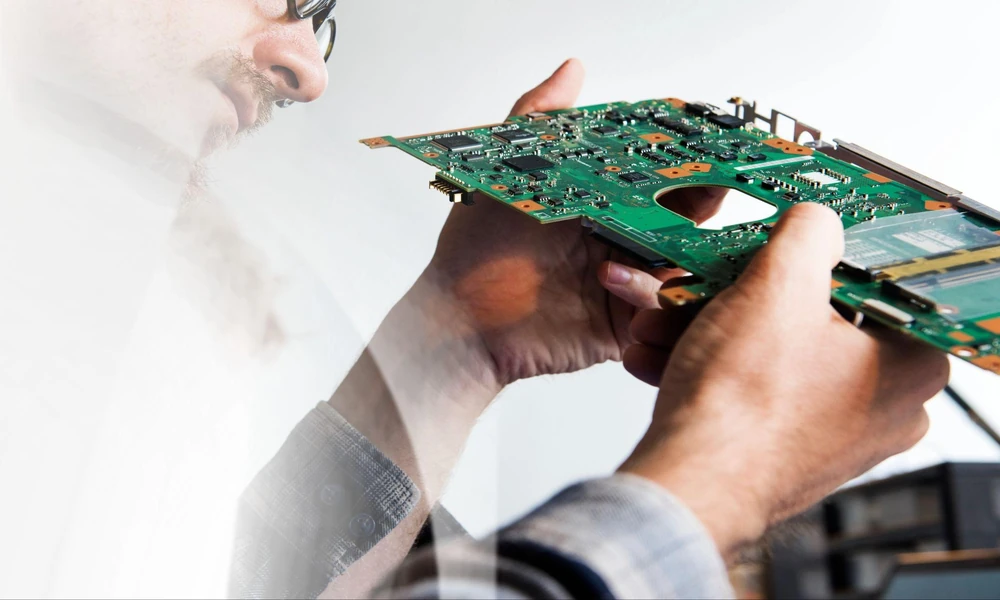
A printed circuit board may perform correctly on the workbench yet require a carefully planned enclosure before it becomes a usable product prototype. The enclosure needs to accommodate the board, protect sensitive components and provide access to connectors, controls and other interfaces.
Teams using prototype PCB assembly services should consider enclosure requirements early rather than treating the housing as a separate task. A custom PCB enclosure can be developed around the board’s physical and functional requirements, but the design needs accurate information from the start.
1. Define the Board Dimensions
Start with the physical dimensions of the PCB and the components mounted on it. Record the board length, width and thickness, along with the position of mounting holes and major components.
Height can be particularly important. Connectors, heatsinks, switches and other components may extend above the board surface and require additional internal clearance.
If the PCB design may change during prototyping, leave an appropriate amount of flexibility in the enclosure concept.
Accurate dimensions can reduce the risk of discovering that the board cannot be installed properly after the enclosure has already been designed.
2. Consider Protection Requirements
The enclosure should provide a level of protection suited to the intended prototype environment. Consider exposure to dust, accidental contact, moisture, impact or other physical conditions.
The appropriate design depends on how and where the prototype will be used. A laboratory prototype may have different requirements from a unit intended for field testing.
Ask the design and manufacturing team what enclosure features are practical for the expected environment.
Do not specify unnecessary protection without considering its effect on size, cost, assembly and accessibility.
3. Plan Access to the PCB
Consider how the board will be installed, tested and serviced. A prototype may need frequent access during development, so an enclosure that is difficult to open could slow down testing.
Think about access to connectors, test points, buttons, displays and other interfaces. Openings should align accurately with the relevant components.
If engineers expect to modify the board during prototyping, discuss how the enclosure can accommodate those changes.
A practical design should support the development process rather than create additional obstacles.
4. Select Suitable Materials
Material choice can affect weight, durability, thermal performance and manufacturing requirements. Consider the prototype’s purpose and expected environment when discussing material options.
Some projects may require lightweight housing, while others may prioritise rigidity or heat management.
Ask how the selected material affects manufacturing lead time and future revisions. Prototype requirements can change, so the material should support the expected development process.
Avoid selecting a material purely because it looks appropriate. Its technical and manufacturing characteristics should suit the application.
5. Coordinate Enclosure and Assembly Requirements
The enclosure should be considered alongside the PCB assembly process. Prototype PCB assembly services may involve component placement and board revisions that affect the available internal space.
Share the enclosure requirements with the PCB design and assembly team early. This can help identify conflicts involving connectors, mounting points, component height or access.
A coordinated approach can reduce unnecessary redesign work later.
Decision Matrix
| Decision | Main consideration | Prototype question |
| Dimensions | Board and component clearance | Will the PCB fit securely? |
| Protection | Intended operating environment | What does the housing need to protect against? |
| Access | Testing and servicing | Can engineers reach required points easily? |
| Material | Strength, weight and manufacturing | Does the material suit the prototype? |
| Assembly | Board and enclosure coordination | Can the board be installed and revised efficiently? |
A custom PCB enclosure should be planned alongside the board rather than after the electronics have been finalised. Teams using prototype PCB assembly services can reduce avoidable design conflicts by discussing enclosure dimensions, component placement and access requirements early.
Contact MPN Tech to discuss PCB prototyping, assembly requirements and enclosure considerations for your project.
