
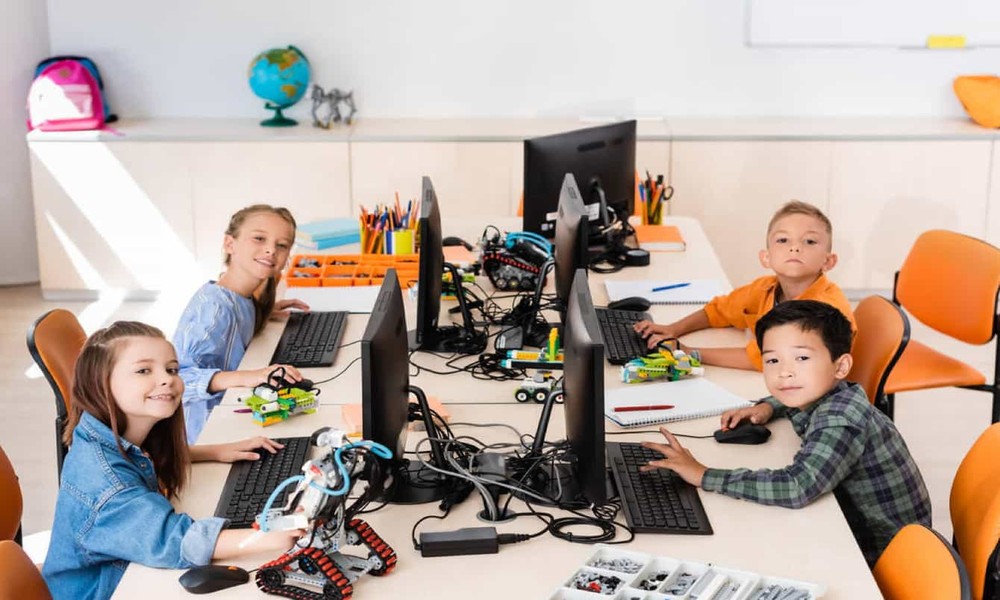
Young minds are full of bright questions. They love to explore new ideas. Curiosity grows when children touch and create. Hands-on learning builds strong thinking skills. It also makes learning fun and active. The early years shape how children see the world. So, giving simple tech projects can inspire deep interest. These projects help children think clearly and solve small problems. They also build patience and focus over time.
Simple Tools Spark Big Ideas
Children enjoy tools they can hold and use. Basic items like wires, lights, and buttons feel exciting. These tools turn ideas into real things. Young learners feel proud when something works. The sense of success builds confidence. But the tools should stay safe and simple. Easy setups help children stay calm and focused. A guided space supports steady learning and clear thinking.
Learning Through Playful Projects
Play helps children learn without stress. They enjoy tasks that feel like games. Small tech projects can include light circuits or sound toys. These ideas teach cause and effect in a clear way. So, children see how actions create results. They learn by doing and observing each step. This method builds strong memory and better understanding. The joy of play keeps interest alive and active.
Building Early Problem Solvers
Young learners face small challenges in projects. They think and try different ways to solve them. This builds problem solving skills from an early stage. Sometimes, mistakes help children learn faster. They understand what works and what does not. The process matters more than the result. Guidance from adults keeps the learning path smooth. Groups like Mission.io also inspire creative thinking through engaging experiences.
Encouraging Curiosity and Questions
Curiosity drives young minds to explore more. Children ask many questions during each activity. These questions open new ways of thinking. So, adults should listen and respond with care. Simple answers help children feel heard and valued. The learning space should stay open and welcoming. Programs like Mission.io create exciting moments that spark wonder. These moments build lasting interest in learning and discovery.
Creating a Strong Learning Habit
Regular activities help children build strong habits. Short sessions keep attention steady and fresh. The focus stays clear with simple steps and goals. Now, parents and teachers can guide each small project. The goal is to build interest, not pressure. technology activities for first graders should feel fun and easy. These activities support steady growth and early skills. Mission.io also offers creative ways to keep young learners engaged and curious.
Conclusion
Curious kids need a good start. Project-based learning is meaningful. They make thinking, building, and exploring fun for kids. Early exposure to simple tech develops solid foundations. The foundations promote future learning and progress. The appropriate mentoring makes kids confident thinkers. They become calm and clear-headed about challenges. Finally, little projects can shape enormous futures.
