
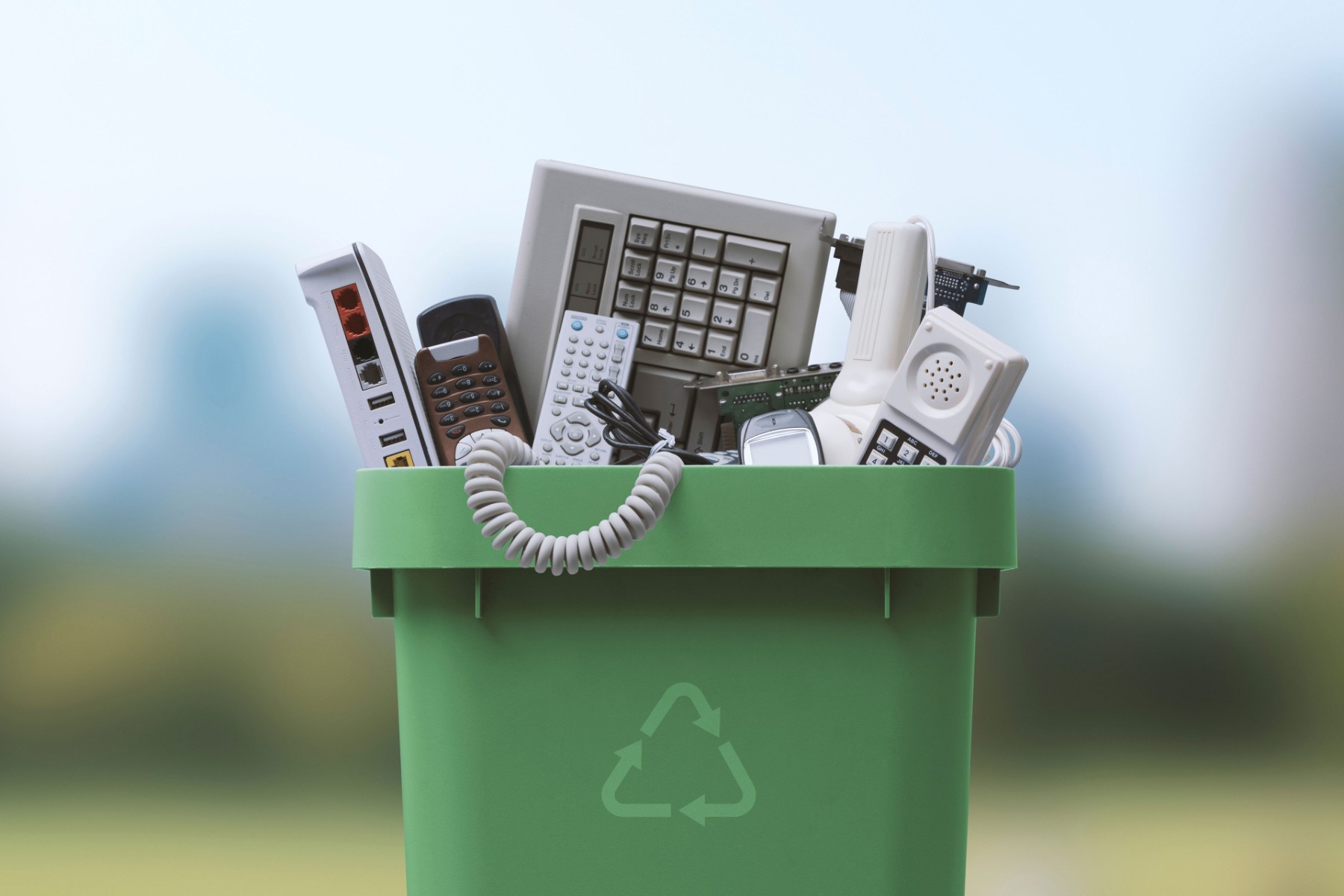
Ewaste recycling begins with a deceptively simple question – which of the devices we own actually need to be recycled? The answer, it turns out, is far more expansive than most people realise. We tend to think of electronic waste as limited to old computers and mobile phones, but the truth is that nearly every device with a plug, a battery, or a circuit board qualifies. Understanding what should be recycled is the first and most critical step towards responsible electronic disposal.
Computers and Laptops
Desktop computers and laptops are among the most commonly recycled electronic devices, and for good reason. They contain a complex mix of materials, including precious metals like gold and copper in their circuit boards, hazardous substances like lead in older solder, and various plastics in their casings. A single laptop that ends up in a landfill can leach toxins into the soil for decades.
Whether your computer is five years old or fifteen, it belongs in a certified recycling facility. Even devices that no longer power on contain recoverable materials of significant value. The components within them (processors, memory chips, hard drives, and power supplies) can all be dismantled and processed responsibly.
Mobile Phones and Tablets
The average person in Singapore replaces their mobile phone every two to three years. That cycle of replacement generates an enormous volume of discarded devices, many of which contain lithium-ion batteries that pose serious environmental and safety risks if disposed of improperly. A damaged battery in a landfill can cause fires, and the heavy metals within it can contaminate surrounding soil and water.
Tablets follow the same pattern. As newer models arrive, older ones are set aside, forgotten in drawers, or thrown away. Both mobile phones and tablets should be taken to proper electronic waste collection points where their batteries can be safely removed and their materials recovered.
Televisions and Monitors
Older televisions, particularly those with cathode ray tubes, contain substantial amounts of lead sometimes several kilograms per unit. Flat-screen televisions and computer monitors contain mercury in their backlighting systems and various other hazardous materials. These devices must never be placed in general waste bins.
As Masagos Zulkifli once observed, “We must shift from a throwaway culture to one that values resources and reuses them.” Televisions and monitors are a perfect example of items whose materials hold value long after the device itself has become outdated. Proper recycling ensures that these materials re-enter the supply chain rather than polluting the environment.
Printers, Scanners, and Office Equipment
Office environments generate a significant share of electronic waste, yet this category is often overlooked. Printers, scanners, fax machines, and multifunction devices all contain circuit boards, motors, and ink or toner cartridges that require specialised handling. Toner cartridges, in particular, contain fine plastic particles that can be harmful if released into the environment.
Businesses have a heightened responsibility to manage this waste stream carefully. Establishing a partnership with a certified e-waste recycling provider ensures that office equipment is processed safely and that any data stored on internal memory is securely destroyed.
Household Appliances and Small Electronics
The category of recyclable electronics extends well beyond what most people expect. Common household items that should be recycled include:
- Kitchen appliances such as toasters, blenders, electric kettles, and microwave ovens
- Personal care devices including electric shavers, hair dryers, and electric toothbrushes
- Entertainment equipment like gaming consoles, DVD players, speakers, and headphones
- Home networking devices such as routers, modems, and set-top boxes
- Lighting products including LED bulbs and fluorescent tubes, which contain small amounts of mercury
Each of these items contains materials that can be recovered and components that may be hazardous if left to degrade in landfill conditions. The convenience of tossing them in the bin is not worth the environmental cost.
Batteries and Chargers
Batteries deserve special attention because they are both ubiquitous and particularly dangerous when improperly disposed of. Lithium-ion batteries from phones and laptops, alkaline batteries from remote controls, and rechargeable nickel-metal hydride batteries from various devices all require proper recycling. When damaged or exposed to heat in a landfill, batteries can ignite, leak acid, or release toxic heavy metals.
Chargers and power adaptors, while less hazardous, still contain copper wiring and electronic components that are worth recovering. Given how many chargers the average household accumulates over time, the collective impact of recycling them is considerable.
Medical and Specialised Devices
Household medical devices such as blood pressure monitors, digital thermometers, and glucose meters are electronic items that many people forget to recycle. These devices often contain small batteries and circuit boards that require proper handling at the end of their useful life.
Taking the Next Step
Recognising which devices qualify for recycling is essential, but that knowledge only matters if we act on it. Singapore offers extensive infrastructure for electronic waste collection, from dedicated bins at community centres to scheduled collection drives organised by various environmental groups and recycling companies.
The devices in your home and office are not rubbish. They are repositories of valuable materials and, if handled carelessly, sources of genuine environmental harm. Every item you bring to a certified facility is an act of responsibility that ripples outward. Choose ewaste recycling for every device that has reached the end of its life, because responsible disposal is the foundation of a truly sustainable society.
